

Sacred Tradition: What the Church Means — and What It Doesn't
Part-1 of a Series on Tradition, The Roman Rite, and How it all Applies to the Novus Ordo Mass and Catholic Liturgy
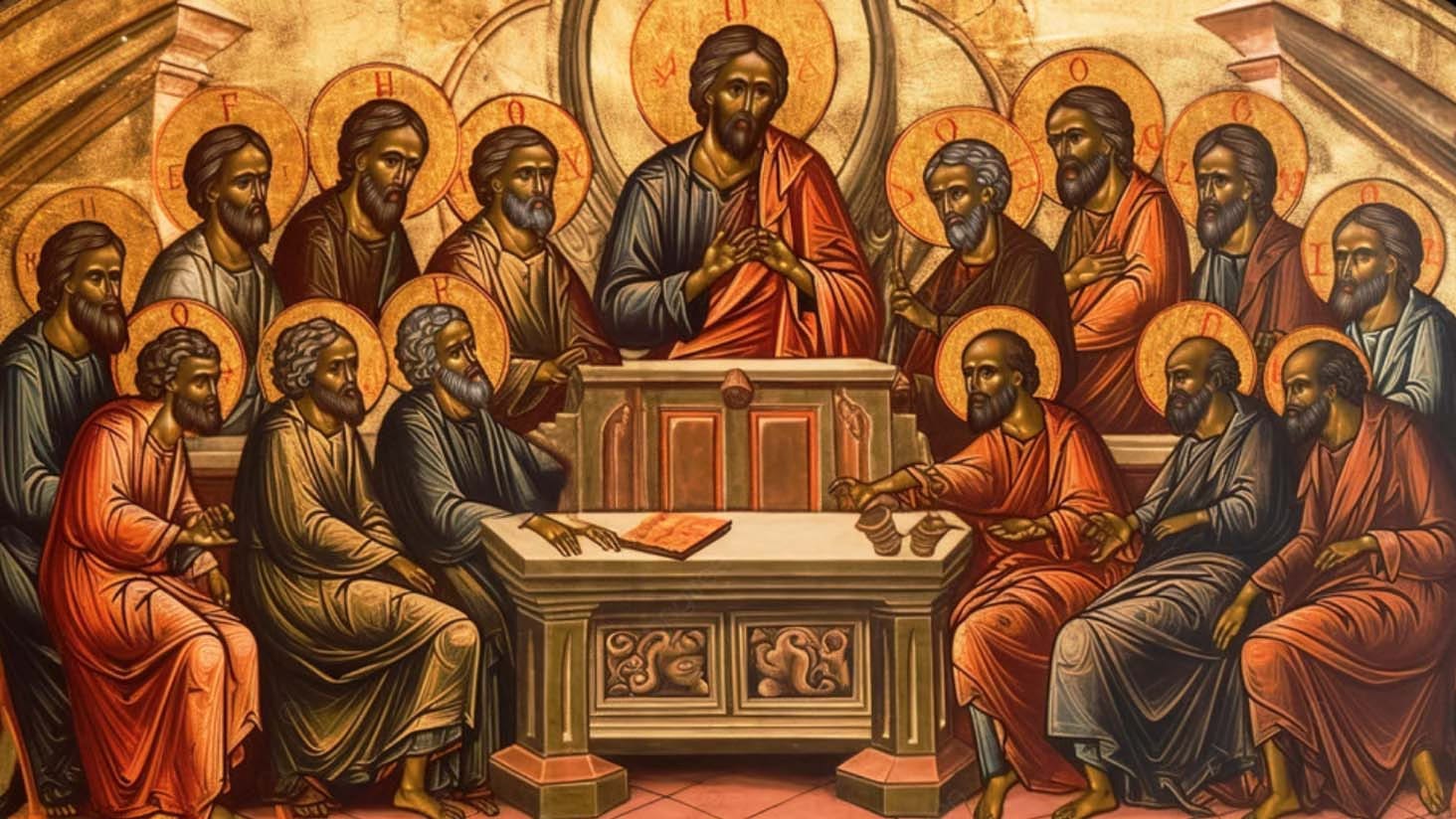
Not many words get tossed around so liberally in Catholic discourse than “Sacred Tradition (sometimes just “Tradition”). And few are understood with less precision.
For many Catholics, “Tradition” has come to mean whatever feels ancient, reverent, or familiar. Older prayers. Older customs. Older ways of doing things. When those things are questioned or changed, the response is often immediate: “This violates Tradition.”
But that reaction is a problem. Not a problem of reverence, and not with love for the Church’s past—but with definition and application. Because in Catholic theology, Sacred Tradition does not mean “whatever the Church used to do, for a long time” It means something far more specific, and far more limited.
If we don’t get that right, we’ll end up defending the wrong things, or even defending the right things wrongly, weakening the very Tradition we’re trying to protect.
What Sacred Tradition Actually Is
Sacred Tradition refers to the handing on of divine revelation entrusted by Christ to the Apostles and preserved in the Church under the guidance of the Holy Spirit. It concerns what God has revealed for our salvation, not every historical expression that developed around that revelation (i.e. the Roman Rite is Sacred Tradition. The form of the Mass is not).
“Sacred Tradition is apostolic in origin. It’s what the Apostles received and handed on. “
Together with Sacred Scripture, Sacred Tradition belongs to what the Church calls the Deposit of Faith. That deposit contains the fullness of revelation given once for all in Christ. The Church does not add to it. She does not subtract from it. Her task is to guard it, teach it, and hand it on faithfully.
That alone tells us something important. Sacred Tradition is about content, not aesthetics. About Truth, not taste.
Sacred Tradition is apostolic in origin. It’s what the Apostles received and handed on. It concerns revealed realities: Who God is, what He has done, how He saves. And while the Church’s understanding of these truths can deepen over time, the truths themselves do not change. Sacred Tradition tells us what must be believed.
It does not automatically determine exactly every way the Church expresses that belief across history.
